



MicroVOS® Optics – Modular Refractive Lens Technology for Precise Light Control
MicroVOS® is Ligman’s proprietary modular lens technology engineered to create precise micro distributions through refractive optics. It gives designers and specifiers greater control over beam shaping, fixture performance, and application-specific light distribution across a broad range of fixture types.
What is MicroVOS® Modular Optics?
A proprietary modular refractive optics system
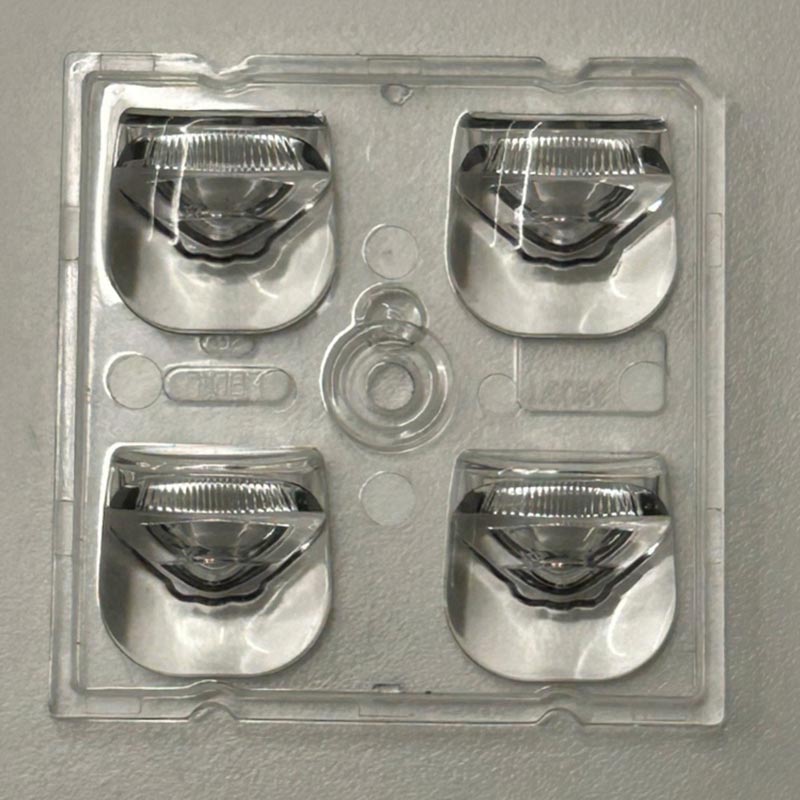
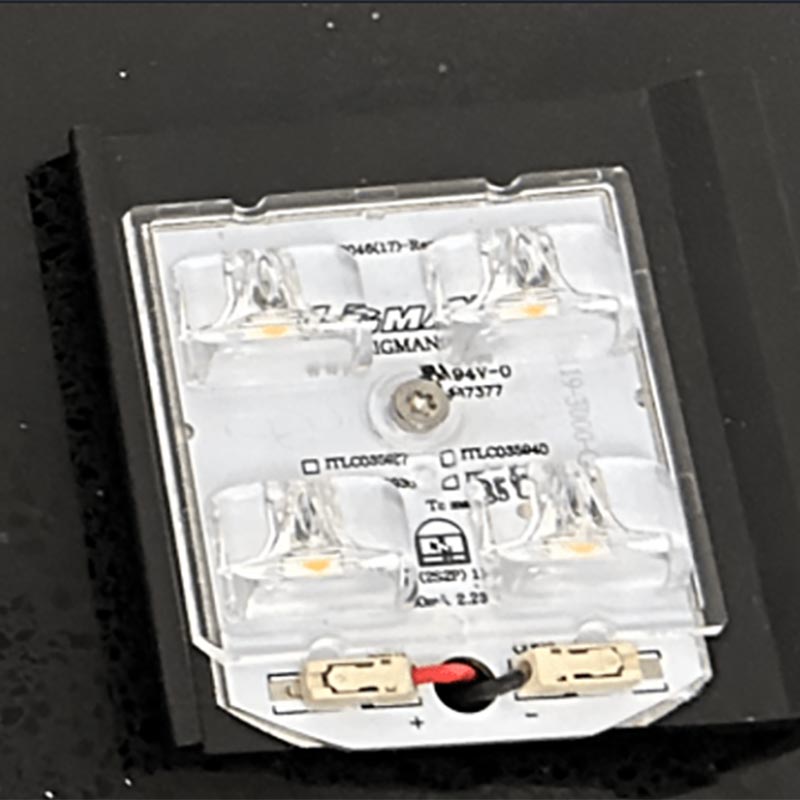
MicroVOS® is Ligman’s proprietary modular lens technology that uses refractive optics to create micro distributions. In this system, each micro distribution lens houses four LEDs, allowing optical control at a smaller, more targeted scale than broad, one-size-fits-all optics. This modular optical approach helps tailor fixture output more precisely to the site’s needs, whether the goal is roadway performance, pathway uniformity, accent illumination, or controlled architectural lighting.
What micro distributions mean
Micro distributions are optical lenses designed around compact LED groupings, with four LEDs housed per lens. This arrangement allows the fixture to shape light more deliberately and achieve refined photometric control across standard lighting applications. Because the optics are modular, MicroVOS® supports a more intentional approach to distribution selection rather than forcing a single beam pattern across every use case.
How MicroVOS® Optics Work
Refractive optics for controlled distribution
MicroVOS® uses refractive optics to direct and shape light into usable distributions. Rather than relying on uncontrolled spill or overly broad patterns, the system is designed to manage where light goes, enabling the fixture to perform more effectively for its intended task. This matters in exterior lighting, where precise optical control affects spacing, uniformity, glare management, and the comfort of a space at night.
Modular lenses built around four LEDs
Each MicroVOS® lens module houses four LEDs per lens. By organizing light output at the lens level, the optical system can create micro distributions that support more refined aiming and performance characteristics within the fixture.
This modular configuration also supports a broader range of fixture applications, which aligns with Ligman’s use of MicroVOS® across multiple product families.
Distribution Options and Flexibility
Available in standard IES distributions
MicroVOS® micro distributions are available in all standard IES distribution types. This allows the technology to support common specification needs across areas, pathways, post tops, flood, bollards, recessed, wall, and other fixture categories where controlled light distribution is critical.
For specifiers, that means the optical language remains familiar while the underlying technology delivers more precise control.
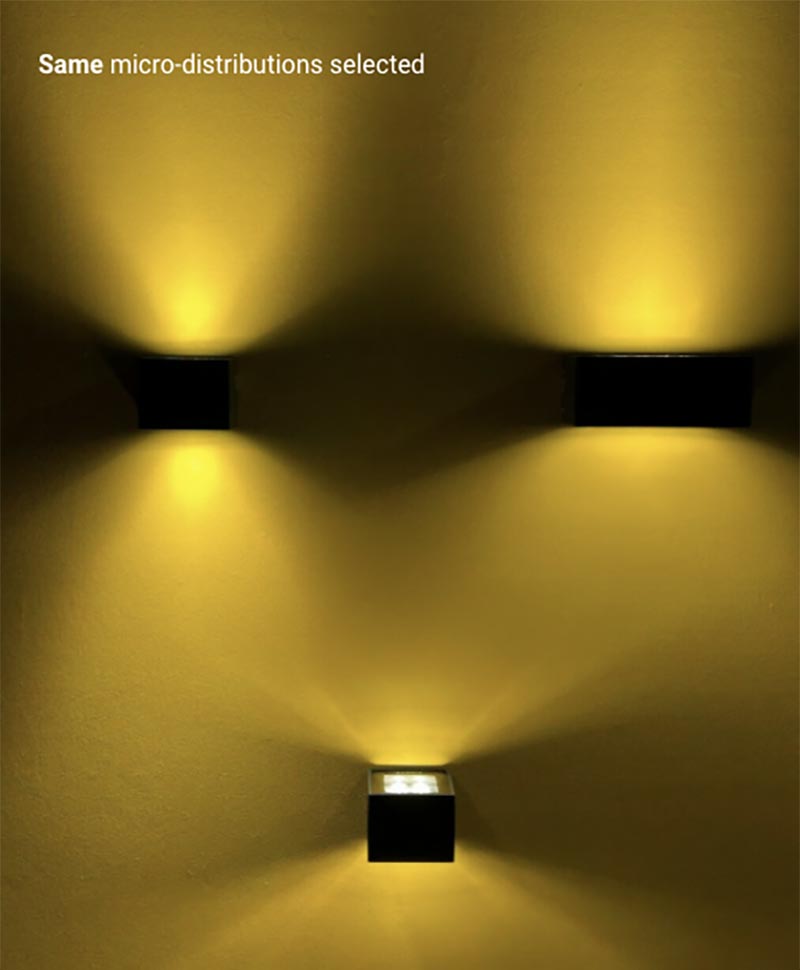
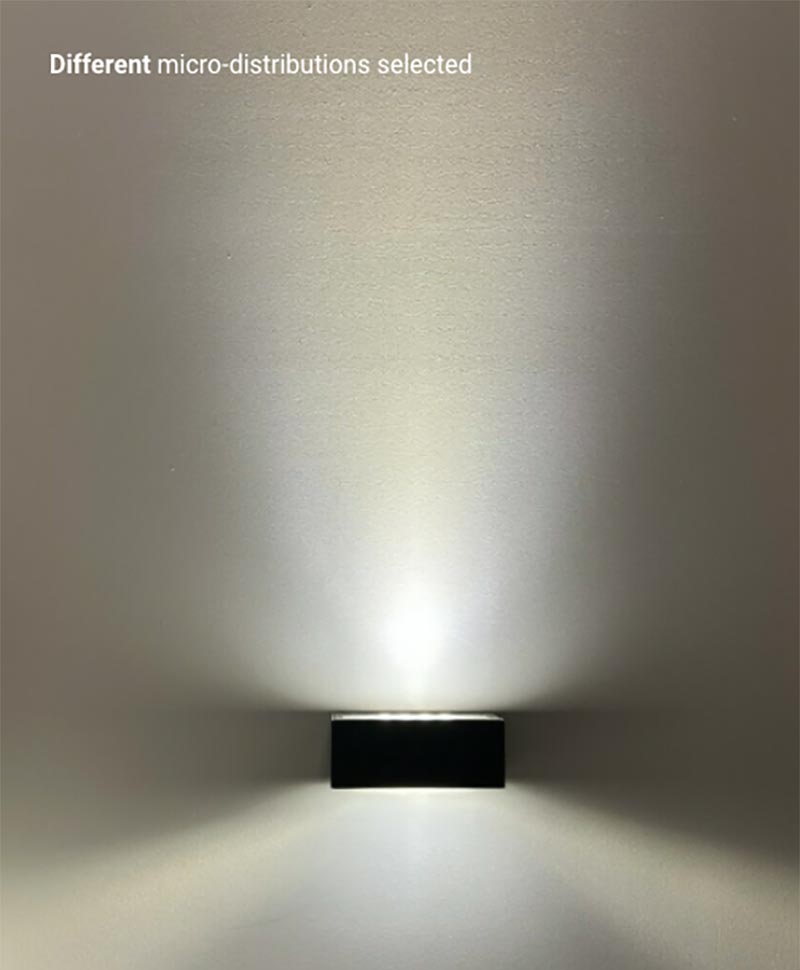
Selective up and down light distributions
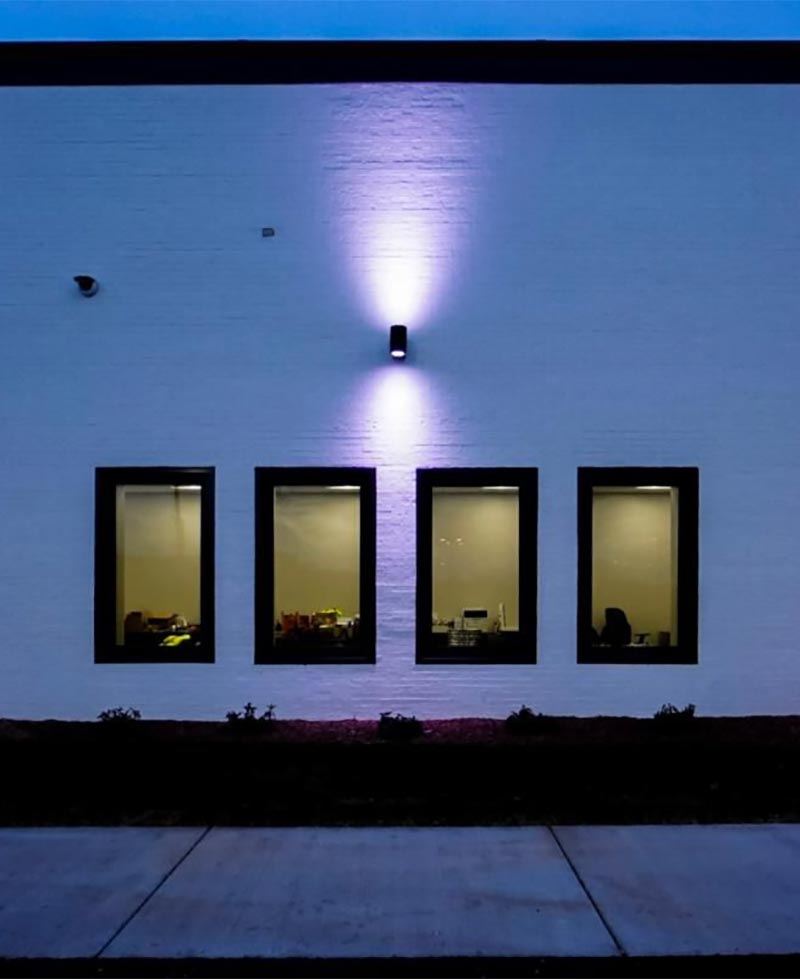
In some configurations, MicroVOS® can be used for both uplight and downlight applications. One of the most useful advantages is selectivity: the uplight can use one distribution while the downlight uses another, allowing each direction of light to be tuned for its specific purpose.
For example, a fixture could use a narrower, more controlled uplight to emphasize a façade, while using a wider, more task-oriented downlight distribution to illuminate the ground plane. This creates better performance than forcing both directions to share the same optical behavior.
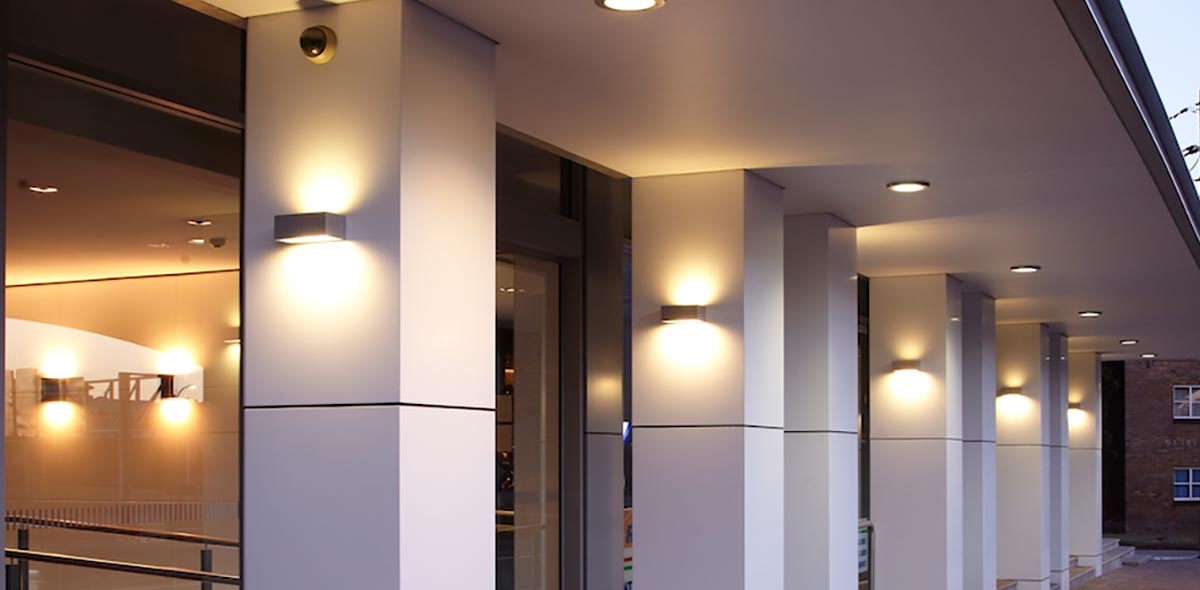
Why MicroVOS® Matters


Where MicroVOS® can be used
Architectural and site lighting applications
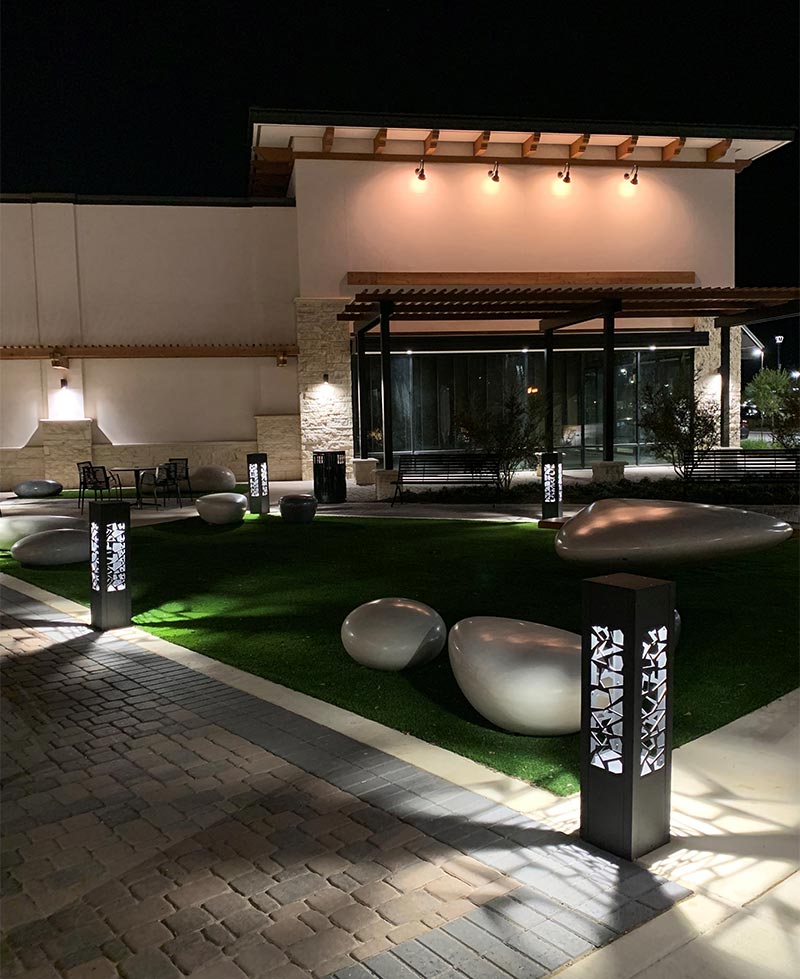
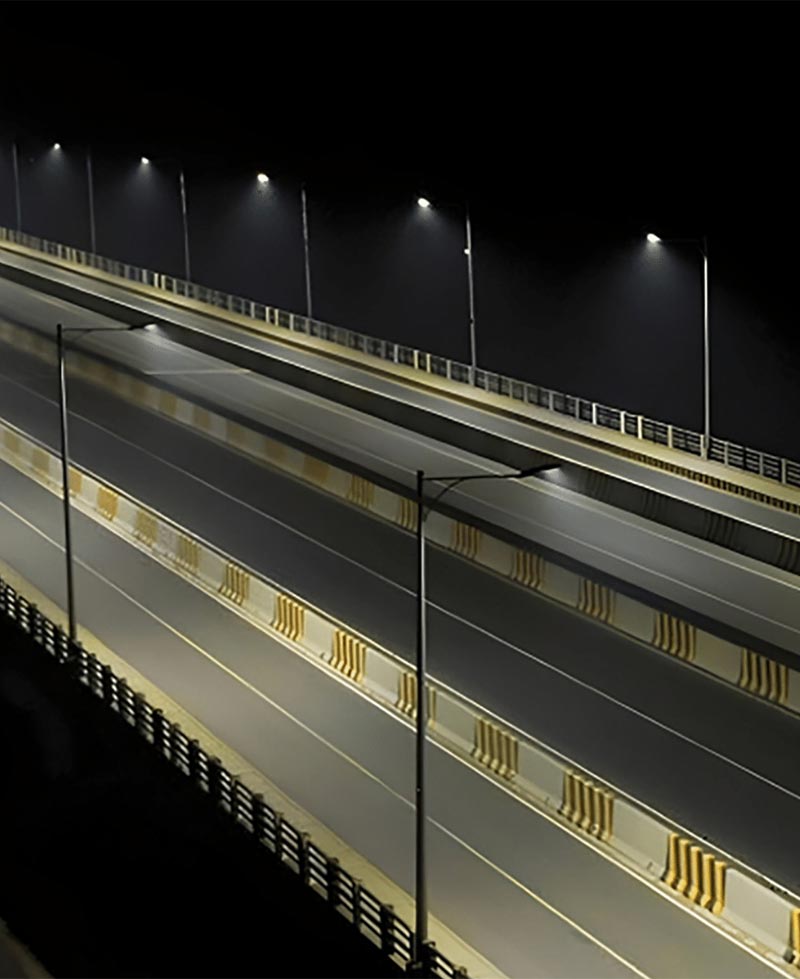
MicroVOS® is well-suited for projects where optical precision matters, including pathways, roadways, plazas, campuses, commercial sites, and architectural environments. In these settings, the ability to select specific distributions helps support better visibility, cleaner light placement, and a more intentional nighttime experience.
It is especially valuable where uplight and downlight need to perform different roles within the same design composition.
Across multiple Ligman fixture categories
Ligman’s MicroVOS® page presents the technology across numerous fixture categories and models, reinforcing that this is a system-level optics platform rather than a niche add-on. That makes it useful for projects seeking continuity in both photometric control an\d product-family specifications.







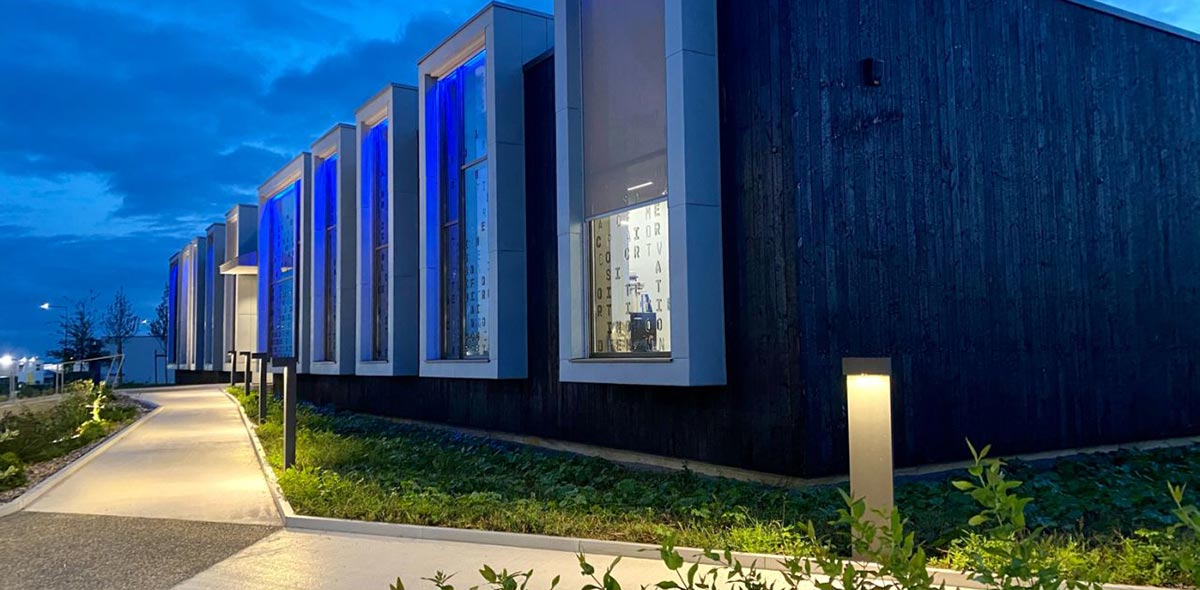
Specifying MicroVOS® Optics
Choose the distribution for the application
The first step in specifying MicroVOS® is identifying the required distribution for the application. Since MicroVOS® supports standard IES distributions, the selection process can align with familiar project photometric needs while benefiting from Ligman’s modular refractive optics approach.
Where a fixture includes both uplight and downlight, distribution selection can be tailored independently for each direction to improve overall performance.
Coordinate optics with fixture type and site goals
Because MicroVOS® appears across many Ligman fixture families, optics selection should be coordinated with the fixture form, mounting condition, and design objective. That includes considering whether the priority is area coverage, directional emphasis, façade illumination, pedestrian comfort, or layered architectural light.
MicroVOS® FAQs
What is MicroVOS®?
MicroVOS® is Ligman’s proprietary modular lens technology that uses refractive optics to create precise micro distributions.
What are micro distributions?
Micro distributions are optical lenses that house four LEDs per lens, allowing more targeted control of light distribution at the lens level.
What distribution types are available?
MicroVOS® micro distributions are available in standard IES distribution types, making them suitable for a wide range of common exterior and architectural lighting applications.
Can MicroVOS® be used for both uplight and downlight?
Yes. In some cases, MicroVOS® can be used for both uplight and downlight applications, and the two can use different distributions for more precise control.
Why is selective up and down distribution important?
Selective up-and-down distributions allow each direction of light to serve a different purpose. For example, uplight can be optimized for architectural emphasis while downlight is optimized for visibility and ground-level performance.